Foster Grandparent & Senior Companion
One of the underlying objectives of everything the California Department of Developmental Services ("DDS") does is ensuring that individuals with developmental disabilities remain active and vital members of their families and communities. Among DDS's many programs designed to foster inclusion and community connection are the closely-related DDS Foster Grandparent Program ("FGP") and the DDS Senior Companion Program ("SCP"). Both of these programs offer unique ways for DDS recipients and community members to interact with one another and forge lasting connections. In this way, these initiatives not only benefit individuals with disabilities but also allow older adults to share their skills, wisdom, and compassion in meaningful ways.
The DDS Foster Grandparent Program
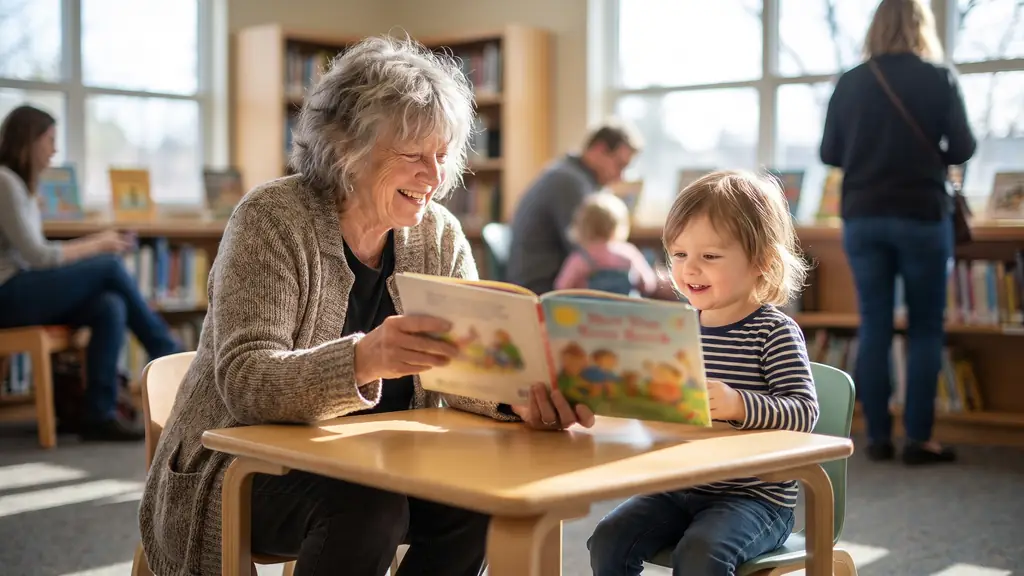
The DDS Foster Grandparent Program is designed for older adults, usually 55 and up. Chiefly, foster grandparents serve as mentors, tutors, and role models for children and young adults with developmental disabilities. Additionally, volunteers provide consistent, one-on-one attention that helps participants develop academic, social, emotional, and interpersonal skills.
Foster Grandparents often assist with activities such as reading practice, classroom support, homework, or simply offering companionship and encouragement. Their role goes beyond education, as Foster Grandparents ultimately help build relationships of trust with young developmentally disabled people. Similarly, Foster Grandparents help those they work with feel a strong sense of community belonging and inclusion.
But the positive outcomes of the program don't stop there. For volunteers themselves, the program provides an opportunity to remain active, engaged, and connected to their communities.
The DDS Senior Companion Program
The Senior Companion Program focuses on pairing older adult volunteers with developmentally disabled adults. For those volunteering in this program, the goal is to help the individuals they work with live fuller lives of independence, community connection, and dignity.
More specifically, SCP volunteers provide assistance with day-to-day tasks, activities of daily living, education, job preparation, social interaction, and community involvement. As with FGP volunteers, SCP volunteers are ultimately there to provide meaningful friendship and community connection. Additionally, the program provides senior volunteers a meaningful way to stay active in their communities.
Who Can Volunteer
DDS runs the Foster Grandparent Program and Senior Companion Program as an AmeriCorps Seniors grantee. To volunteer, you must:
- Be 55 or older.
- Have limited income, based on AmeriCorps Seniors income guidelines.
- Agree to background checks.
- Commit at least 5 hours a week, up to 40 hours a week.
Stipend and Benefits
- A tax-free stipend of $4 an hour.
- A tax-free daily allowance of $12 for meals and travel.
- Paid holidays and accrued annual leave.
- Recognition events and time with other volunteers.
What Volunteers Do
Foster Grandparents mentor children, toddlers and adults with developmental disabilities or exceptional needs, usually in community schools, Head Start centers and preschools.
Senior Companions provide companionship and help with daily tasks for older adults with developmental and intellectual disabilities.
Where the Programs Run
DDS runs the programs in 21 counties through these regional centers:
- Central Valley Regional Center: Kings and Tulare counties
- Kern Regional Center: Kern County
- North Bay Regional Center: Napa, Sonoma and Solano counties
- San Andreas Regional Center: Santa Clara, Monterey, San Benito and Santa Cruz counties
- San Gabriel/Pomona Regional Center: San Bernardino, Los Angeles and Orange counties
- Tri-Counties Regional Center: San Luis Obispo, Santa Barbara and Ventura counties
- Valley Mountain Regional Center: Amador, Calaveras, San Joaquin, Stanislaus and Tuolumne counties
To apply, contact the program site at the regional center for your area. The DDS program page lists a site director and phone number for each.
FAQ
Q: I want to volunteer. How do I get involved?
A: To participate in either the FGP or SCP programs, reach out to your local DDS regional center. From there, they can fill you in available opportunities and can get you started in whichever program you want to participate in.
Q: Who can become a Foster Grandparent or Senior Companion?
A: Typically, volunteers are age 55 and older. In general, the only real requirement is a desire to serve your community. Volunteers need to pass a background check and may need to complete a short training session.
Q: How can I participate as an AmeriCorps Senior?
A: AmeriCorps Seniors provides another channel through which people can volunteer in either the FGP or SCP. To qualify for entry into one of these programs through AmeriCorps Seniors, you must be at least 55 years old, meet AmeriCorps Senior income requirements, complete a background check, and serve a minimum of five hours per week. AmeriCorps Senior volunteers receive a stipend of $4/hour, a daily meal and travel stipend of $12/day, and paid holidays and leave.
Q: How do these programs help individuals with disabilities?
A: Both the FGP and SCP provide mentoring, companionship, and daily living support to individuals with developmental disabilities. Ultimately, these programs help foster a strong sense of independence, inclusion, and personal growth.
Q: Is the volunteer stipend taxable?
A: No. DDS describes the $4-an-hour stipend and the $12 daily allowance as tax-free.
Q: Can I volunteer if my county is not listed?
A: The programs run in 21 counties served by seven regional centers. If your county is not listed, contact DDS or the nearest listed site about options.
Sources
Facts on this page were checked against these official and nonprofit sources on November 6, 2026. Program rules change, so confirm details with your regional center.
Related Programs
Early Start (0-3)
Free early intervention for California infants and toddlers with developmental delays: who qualifies, what services cover, and how to get started.
Regional Center Services
What California's 21 regional centers do, the services they fund, how to find the one that serves your county, and what to say when you first call.
Self‑Determination Program
How California's Self-Determination Program works: individual budgets, choosing your own providers, financial management services, and how to enroll.
Updated