DDS Services California: Programs & Support Resources

Comprehensive guide to California Department of Developmental Services programs, eligibility, and supports available through regional centers statewide.
The California Department of Developmental Services (DDS) is the state agency devoted to providing care and resources to individuals with developmental disabilities. With the ultimate goal of empowering disabled individuals to live independently with dignity, DDS pairs people with a broad range of services, facilities, and other resources.
Understanding the scope of DDS services California residents can access through the agency is essential for disabled individuals and their families. Whether you're just learning how to apply for DDS or exploring specific programs, this guide covers the key supports available from early childhood through adulthood.
Jump to Service Category:
- Early Intervention (Ages 0-3)
- Individual Program Planning
- Residential Support
- Employment & Day Services
- Family & Respite Support
- Health & Behavioral Supports
DDS Services California: What Services Are Available?
The ultimate purpose of DDS services California offers is to ensure that people with developmental disabilities can live with dignity and independence within their communities. From early childhood through adulthood, DDS provides critical supports that help individuals thrive.
All services are coordinated through your local regional center and tailored to your individual needs. Learn more about your rights under California law and the Lanterman Act protections that guarantee access to these services.
Early Intervention Services (Ages 0-3)
For children under the age of three, DDS offers Early Start early intervention programs. These programs are designed to address developmental delays by intervening as early as possible during a child's most formative years.
What's Included:
- Speech & Language Therapy – Helps children develop communication skills
- Occupational Therapy – Supports sensory processing and daily living skills
- Physical Therapy – Addresses motor development and mobility
- Family Support Services – Training and resources for parents and caregivers
- Care Coordination – Connecting families to community resources
Early intervention helps children build critical skills during their most formative years. Learn more about Early Start eligibility and how to get started.
Related Resources:
- Early Start: Speech & Language Therapy Overview
- Occupational Therapy and Sensory Supports
- Transition at Age 3: What Happens Next?
Individual Program Planning (IPP)
Individual Program Planning (IPP) is the centerpiece of DDS services. IPP is the collaborative process through which developmentally disabled individuals and their families plan out the care services and supports that will best serve the individual's unique needs and goals.
How IPP Works:
- Person-Centered Planning – Your goals and preferences drive the process
- Service Coordination – Regional center team helps coordinate supports
- Regular Updates – IPP is reviewed and updated annually or as needs change
- Family Involvement – Families and advocates participate in planning meetings
- Outcome-Focused – Services are designed to help you achieve specific life goals
To build out an IPP, eligible individuals work with their regional center to create a customized plan tailored to their unique goals, needs, and preferences. The IPP is updated regularly to ensure services remain aligned with the individual's changing life circumstances.
IPP Resources:
- IPP: What to Expect and How to Prepare
- Guide to IPP Goal-Setting (With Templates)
- How to Involve an Advocate or Family Member
Residential Support Services
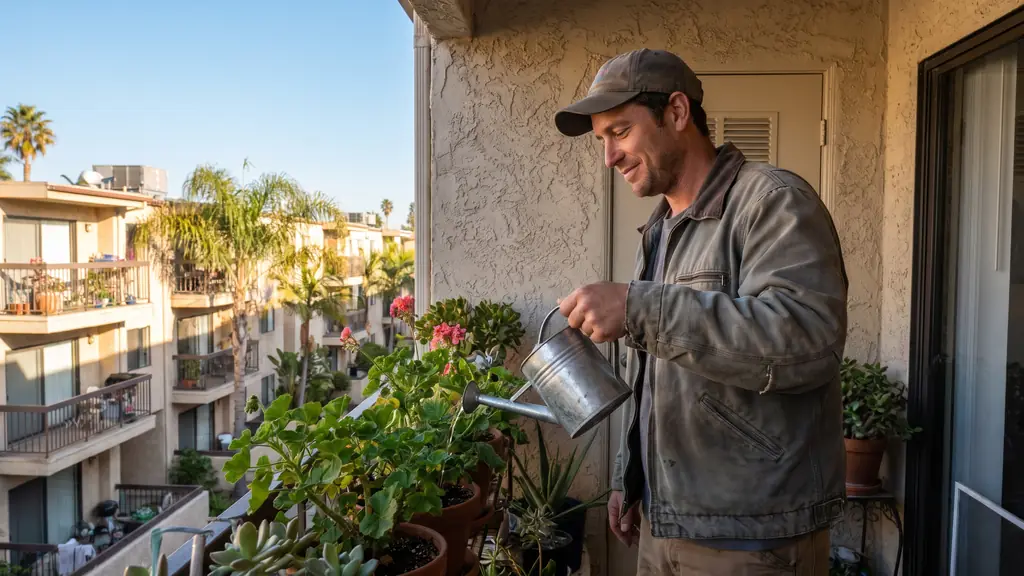
Very often, disabled individuals need help with housing. That's why DDS provides a range of residential options designed to support independent living while maintaining connection to community.
Residential Options Include:
- Independent Living Services (ILS) – Support to live in your own home or apartment
- Supported Living Services (SLS) – Individualized in-home support
- Community Care Facilities – Group homes with 24-hour supervision
- Adult Residential Facilities – Specialized care for adults with higher support needs
- Family Home Agency Services – Living with a certified host family
As with everything else, the goal is to ensure the individual receiving care has agency and voice throughout the process, and that they have the resources they need to remain in their communities.
Learn More:
Employment and Day Services
DDS promotes meaningful community participation through employment programs, job coaching, and vocational training. These services help individuals with developmental disabilities find and maintain competitive employment in their communities.
Employment Services Include:
- Supported Employment – Job coaching and workplace support
- Competitive Integrated Employment – Working in community jobs alongside people without disabilities
- Paid Internships – Pre-employment training opportunities
- Job Development – Assistance finding employment that matches your skills and interests
- Workplace Accommodations – Support for ADA Title I accommodations
Day Programs & Activity Centers:
For those not seeking employment, day services and activity centers provide opportunities for skill development, social engagement, learning, and recreation. These programs empower individuals to pursue hobbies, learning opportunities, and personal growth.
Employment Resources:
- How Job Coaching Works
- Paid Internships & Supported Employment
- Workplace Accommodations in Practice
- Day Programs and Community Integration
Respite and Family Support
Not surprisingly, the bulk of care responsibilities tends to fall on the families of those with developmental disabilities. To ease this burden, DDS offers respite services that give caregivers time to rest or attend to other responsibilities.
Family Support Services Include:
- In-Home Respite Care – Temporary relief for family caregivers
- Out-of-Home Respite – Short-term residential care
- Crisis Intervention Services – Emergency support during family crises
- Parent Training & Education – Skill-building for caregivers
- Counseling Services – Mental health support for families
- Sibling Support Groups – Resources for brothers and sisters
- Community Resource Connection – Linking families to local supports
Additional supports may include training, counseling, and connection to other community resources through your regional center.
Family Support Resources:
- Building a Family Support Plan
- Crisis Stabilization Basics
- Crisis Plan Template (Download)
- Wellness Toolkit for Families
Health and Behavioral Supports
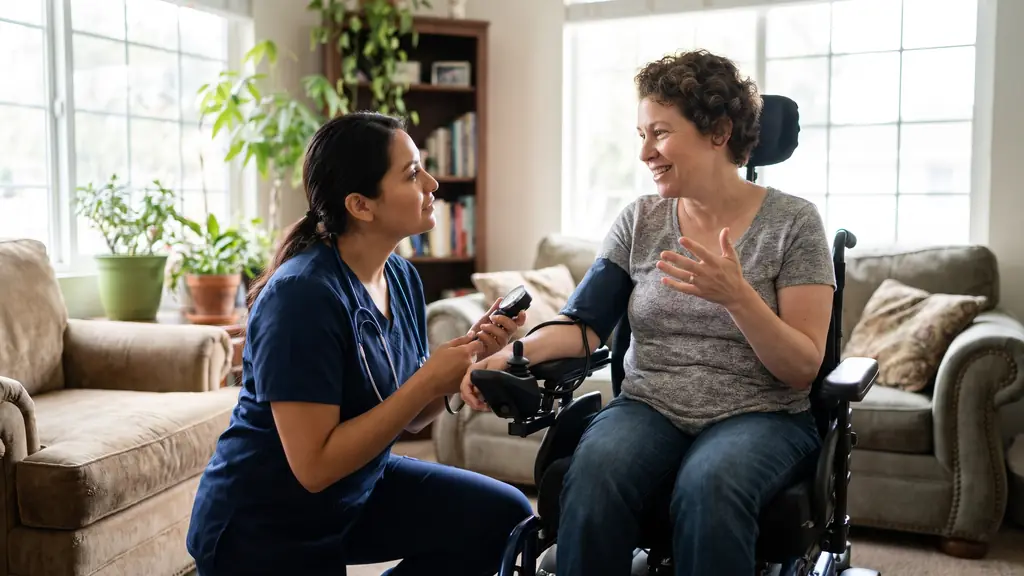
DDS services also include health-related supports designed to ensure individuals receive comprehensive care that addresses both physical health and behavioral needs.
Health Services Include:
- Nursing Services – Medical care coordination and monitoring
- Medication Management – Assistance with managing medications safely
- Medical Care Coordination – Connecting with doctors and specialists
- Adaptive Equipment – Wheelchairs, communication devices, and assistive technology
- Dental and Vision Care – Access to specialized health services
Behavioral Support Services:
- Positive Behavior Support Plans – Proactive strategies for challenging behaviors
- Applied Behavior Analysis (ABA) – Evidence-based behavioral interventions
- Mental Health Services – Counseling and psychiatric support
- Crisis Intervention – Emergency behavioral health response
- Specialized Therapies – Trauma-informed care and therapeutic supports
Regional centers work with healthcare providers to ensure that individuals receive the coordinated care they need across all settings.
Related Resources:
- ABA vs Positive Behavior Support: Understanding Your Options
- Behavioral Health: Recognizing Signs & Getting Help
- Telehealth Options for Therapies & Coaching
Additional DDS Services & Specialized Programs
The above is not a comprehensive list of services provided by DDS. California offers several specialized programs designed to meet unique needs:
- Self-Determination Program – Greater control and flexibility in how you receive services
- Direct Support Professional (DSP) Training – Training and certification for care providers
- Deaf, Hard of Hearing & DeafBlind Resources – Specialized supports and communication services
- Education Services – Support for special education and transition planning
- Foster Grandparent & Senior Companion Programs – Volunteer opportunities and intergenerational connections
- State-Operated Developmental Centers – Intensive care facilities for those with the most complex needs
As with everything else related to DDS, the key is your Individual Program Plan (IPP). Use this to individualize the care you and your loved ones receive. And as a default rule, if there is a type of care that will best serve you and your loved ones, work with your regional center and case worker to access that care.
Find DDS Services in Your County
Services are delivered through regional centers across California. Find your local center and learn about county-specific resources:
Los Angeles County San Diego County Orange County Riverside County San Bernardino County Sacramento County Santa Clara County Alameda County San Francisco County Fresno County
Frequently Asked Questions About DDS Services
Who qualifies for DDS services?
Individuals with developmental disabilities such as intellectual disability, autism spectrum disorder, epilepsy, cerebral palsy, or conditions closely related to these are generally eligible. A developmental disability must:
- Originate before age 18
- Be expected to continue indefinitely
- Constitute a substantial disability
The DDS application process is how you establish eligibility for services. Learn more about eligibility criteria in plain language.
Are DDS services free?
Yes. So long as you or your loved one qualifies, DDS services are provided at no cost. California's Lanterman Act guarantees that eligible individuals receive the services they need regardless of ability to pay. Learn more about your rights under the Lanterman Act.
Can I choose which services I receive?
Yes. Your Individual Program Plan (IPP) allows you to tailor the care you and your loved ones receive to your specific needs, goals, and life circumstances. You can also explore the Self-Determination Program for even greater control and flexibility over your services and budget.
How do I access these services?
To access DDS services, begin by contacting your local regional center. Your regional center will help you get started with the application process. Need help getting started? Download our printable application checklist.
What if I disagree with the services offered?
You have the right to appeal any decision regarding your services. Options include informal resolution, mediation, and fair hearings. Learn about the DDS appeals process and how to choose between mediation and fair hearing.
How long does it take to get services after applying?
Regional centers must complete your intake within 120 days of application. However, Early Start services (for children under 3) typically begin much faster. Learn about timelines from application to services and how to track deadlines.
Ready to Get Started?
Whether you're new to DDS or need help navigating the system, we're here to support you every step of the way.
Start Your Application Find Your Regional Center Browse All Resources
Additional Resources
Getting Started
- How to Apply for DDS
- Application Checklist (Printable)
- Required Documentation
- Preparing for Your Intake Interview
Understanding Your Rights
Family Support
- Wellness Toolkit
- Support Groups for Parents
- Stress Management Resources
- Contact Support
Provider services in Southern California
Services From Congregate Connect
Looking for a provider for one of these services? Congregate Connect offers eight Regional Center vendored services. Congregate Connect serves adults 18 and older in Los Angeles, Riverside and San Bernardino counties.
- Independent Living Services (ILS) Service code 520
Skills training for cooking, budgeting, transit and other parts of living on your own.
- Supported Living Services (SLS) Service code 896
Ongoing, flexible support for adults who live in a home they rent or own.
- Behavioral Support Service code 063
Positive behavior support plans built around each person’s goals and triggers.
- Parent and Family Training Service code 108
Practical training so family members can support an adult relative at home.
- RN Nursing Support Service code 744
Registered nurse assessment, oversight and care coordination.
- LVN Nursing Support Service code 742
Licensed vocational nursing care where the person lives.
- Communication Support Service code 642
AAC devices and coaching so people can communicate reliably.
- Housing Assistance Service code 101
Help finding, securing and keeping stable housing.
Links go to cc.care. You can choose any provider your regional center has vendored for a service; listing Congregate Connect here is not a ranking of providers.
Related Programs
Wellness Toolkit
What the California DDS Wellness Toolkit covers, how families and self-advocates can use it, and where to find related health and wellbeing resources.
Resources & FAQs
Templates, checklists, official DDS links, advocacy organizations, and answers to the most common questions about California developmental services.
Guides in This Area
Updated